




In the rapidly evolving landscape of AI agents in 2026, choosing the right platform can make or break your workflow efficiency and data security. OpenClaw and NemoClaw, while sharing a common foundation, cater to distinct priorities: OpenClaw emphasizes speed, flexibility, and rapid experimentation, whereas NemoClaw focuses on control, security, and enterprise-grade governance. This guide explores the key differences, practical trade-offs, and real-world use cases of both platforms, helping teams and individual users decide which AI agent framework best fits their operational and strategic needs.
Quick Comparison Overview
OpenClaw is designed for speed and flexibility, making it easy to deploy and customize for experimentation or smaller teams. NemoClaw, built on top of OpenClaw, adds more structured controls, stronger isolation, and governance features, which makes it better suited for enterprise use but increases setup complexity
In short, OpenClaw prioritizes rapid iteration and low friction, while NemoClaw emphasizes security, policy enforcement, and operational control
What Is OpenClaw?
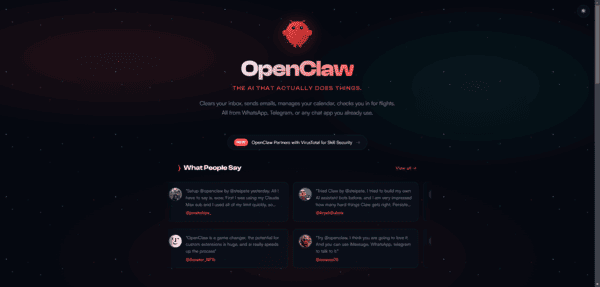
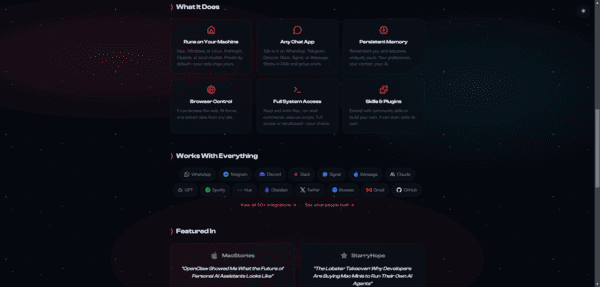
OpenClaw is a flexible, open-source AI agent framework designed for users who want to run intelligent workflows with minimal setup overhead. It appeals to developers, solo builders, and fast-moving teams that value speed, customization, and the ability to experiment freely
Its lightweight nature makes it easy to get started and adapt to various use cases, from personal productivity tools to internal business automations. However, its security and governance features rely largely on how carefully you configure and manage the system
What Is NemoClaw?
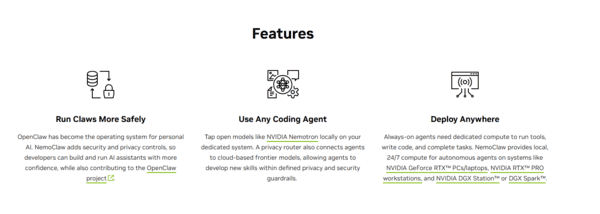
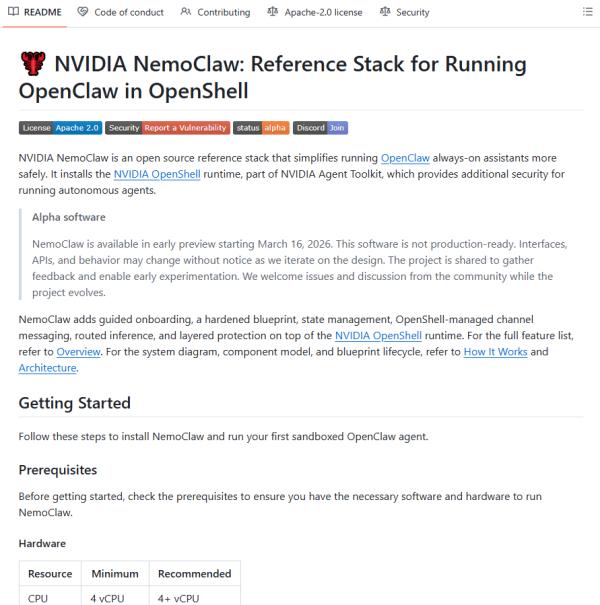
NemoClaw is a more structured platform built on top of OpenClaw, with a stronger emphasis on control, isolation, and enterprise readiness. It adds robust guardrails around execution, access, and data handling, making it better suited for organizations that require tighter security policies and operational oversight
While it inherits many of OpenClaw's core capabilities, NemoClaw prioritizes governance and risk reduction over simplicity, which increases setup complexity but provides greater confidence in production environments
Why These Two Are Frequently Compared
Both platforms operate in the same space of self-hosted or managed AI agents, so teams naturally compare them when evaluating options for automation. The key question is usually: Do you need maximum flexibility and speed, or do you prioritize stronger security and control
OpenClaw excels when rapid iteration and low operational friction matter most. NemoClaw becomes the preferred choice when governance, auditability, and restricted access are non-negotiable requirements
Security: The Biggest Difference
Security is often the deciding factor in this comparison
OpenClaw's risks typically stem from prompt injection, unsafe tool usage, exposed credentials, or overly permissive access. Its security level depends heavily on your team's configuration discipline
NemoClaw addresses many of these concerns by introducing stronger isolation, execution guardrails, and policy enforcement. This built-in structure reduces common risks and makes it more suitable for environments where compliance and data protection are critical
That said, no AI agent platform is entirely risk-free — careful configuration and realistic expectations remain essential regardless of your choice
Self-Hosting and Operational Reality
Self-hosting OpenClaw is generally straightforward with a lower barrier to entry, making it accessible for smaller teams and quick testing
NemoClaw demands more infrastructure and oversight in exchange for its enhanced control features. This can mean higher setup effort and ongoing management, but it delivers greater confidence for production workloads
Cost Considerations
OpenClaw is typically the more budget-friendly option. It can run on low-cost or even free cloud tiers, with main expenses coming from AI model usage and any external tools
NemoClaw usually involves a higher infrastructure baseline due to its more demanding requirements for control and isolation. Its pricing is less transparent, often driven by hardware needs, model costs, and operational overhead
When comparing total costs, consider not just hosting but also maintenance, security management, and team time
Who Should Choose Which?
Choose OpenClaw if you are a solo builder, startup, or growing team focused on rapid iteration, productivity, and cost efficiency
Choose NemoClaw if your organization is security-first, needs strong governance, or operates in regulated environments where isolation and policy enforcement are essential
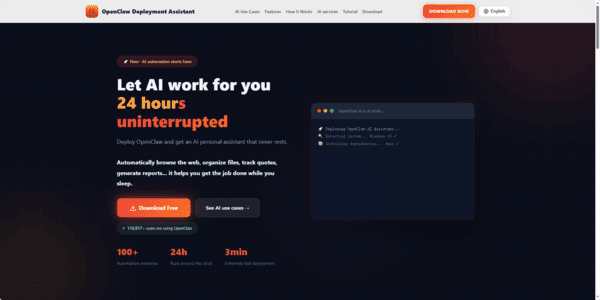
Consider OpenClawTool if you like OpenClaw but want to avoid manual installation
Final Thoughts
OpenClaw and NemoClaw are not direct replacements — they serve different priorities in the AI agent landscape. OpenClaw wins for flexibility, speed, and accessibility, while NemoClaw stands out for control, security, and enterprise readiness. For most smaller teams and individual users, OpenClaw (especially with managed hosting) offers the best balance. Larger or security-conscious organizations may find NemoClaw's additional safeguards worth the extra complexity.