





Keeping your HP laptop or desktop running smoothly requires more than just installing Windows updates. Drivers play a critical role in allowing Windows to communicate with your hardware, including graphics cards, Wi-Fi adapters, audio devices, and other components. When drivers become outdated, corrupted, or incompatible, you may experience slow performance, hardware errors, connection problems, or unexpected crashes. In this guide, we'll explain all the ways to update HP drivers on Windows, including a faster automated method using Driver Sentry, to help maintain system stability and keep your PC performing at its best.
Step 1: Know Your HP Device and Key Drivers
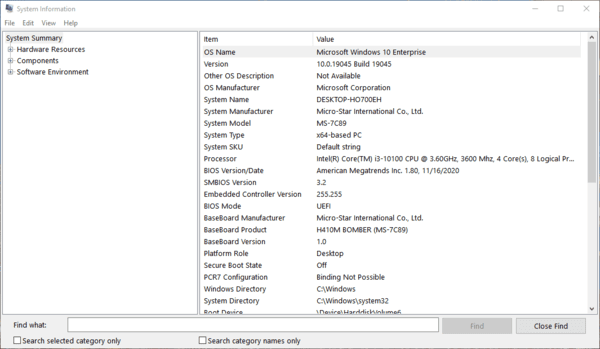
Check your model: Press Win + R, type msinfo32, and hit Enter. Note the System Model (like HP Pavilion 15-eh1234)
Knowing your drivers upfront saves time and headaches later
Step 2: Update with HP Support Assistant
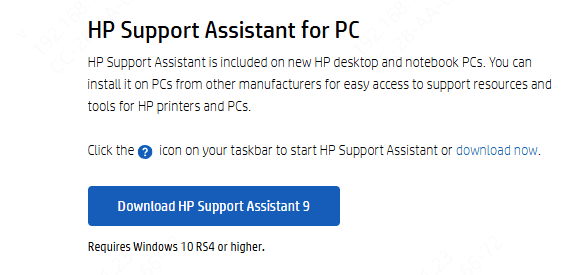
Download and install HP Support Assistant if it's missing
Open it and go to Updates → Check for updates and messages
Pick the updates you need—chipset, graphics, audio, network
Click Download and Install, then restart your PC
Step 3: Manual Updates from HP Website
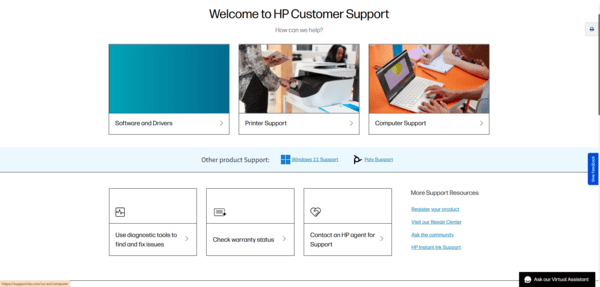
Go to HP Support – Software & Drivers
Enter your product name or serial number
Select your Windows version
Install each driver and restart your computer after major updates
Step 4: Update Drivers via Device Manager
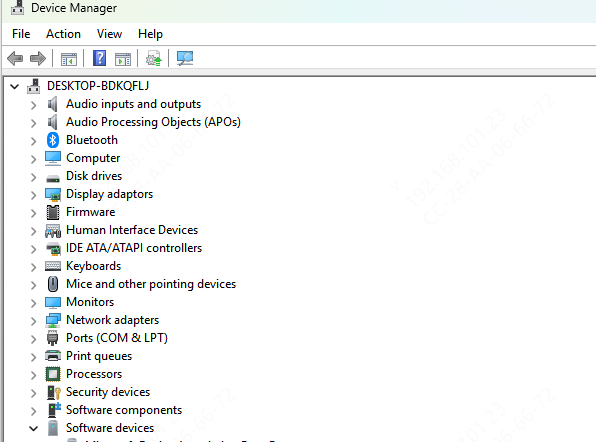
Press Win + X → Device Manager
Expand hardware categories like Display adapters or Network adapters
Right-click the device → Update driver → Search automatically
Restart to make sure updates take effect
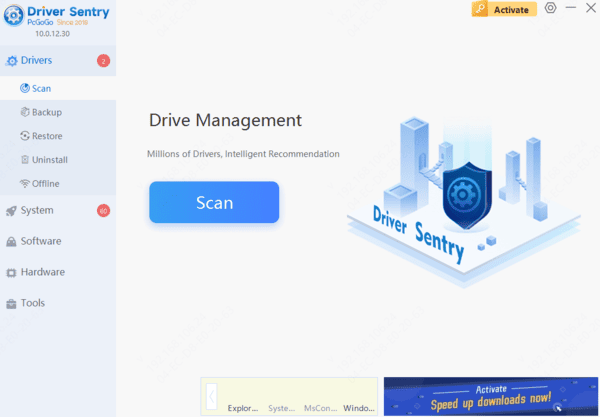
Step 5: Update with Driver Sentry
For a quick, all-in-one solution, Driver Sentry can update all drivers with one click.
Step 6: Check That Everything Works
After updating, make sure your drivers are properly installed:
Open Device Manager → Right-click device → Properties → Driver tab
Verify the driver version and date
Updating HP drivers is key for smooth performance, stability, and compatibility. Whether you use HP Support Assistant, Device Manager, manual downloads, or the one-click Driver Sentry method, keeping drivers current prevents issues like Wi-Fi dropouts, audio problems, or display glitches.