



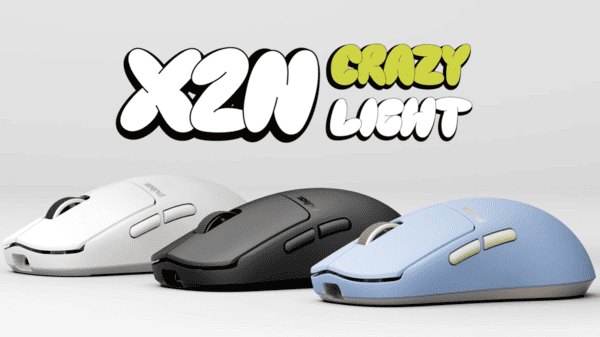
Pulsar has built a strong reputation in the ultralight gaming mouse segment with its X2 series, and the CrazyLight lineup pushes the boundary even further by slashing weight while keeping high-end internals. Available in two sizes—Mini (around 40–41g) and Medium (around 43–46g)—the X2N targets claw grip and relaxed claw users who crave extreme lightness combined with a shape that encourages finger control over palm dominance. This review covers both variants with a focus on whether the narrow redesign delivers meaningful gains or simply carves a niche too specific for most players.
First Impressions
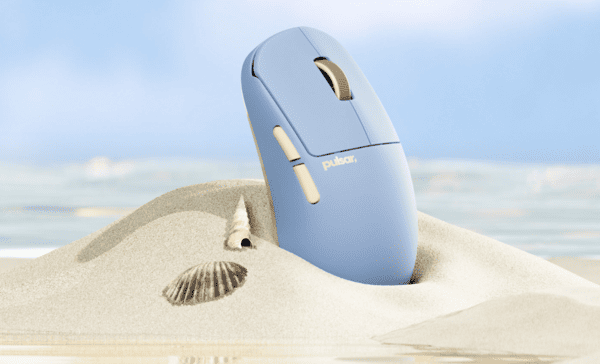
Unboxing the X2N CrazyLight immediately highlights Pulsar's attention to aesthetics. Colorways like Uyuni White, Jet Black, and the earthy Wildscape Ocean offer clean, modern looks without excessive RGB flashiness. The mouse feels almost weightless right out of the box—lifting it gives the sensation of holding an empty shell
Compared to the standard X2 or X2H CrazyLight, the X2N's waist is dramatically narrower, creating a more hourglass-like profile with a lower hump. The initial in-hand feel screams "claw grip optimized"
For relaxed claw users with 17–19.5 cm hands, it settles naturally; palm grippers may find the rear support lacking, while pure fingertip users often report the aggressive taper makes the mouse feel unstable or awkward unless gripped very high. Many early impressions liken it to shapes like the Lamzu OP1 or certain narrow-waist experimental mice, but with Pulsar's familiar lightness and execution
Shape, Coating, and Mouse Feet
Shape
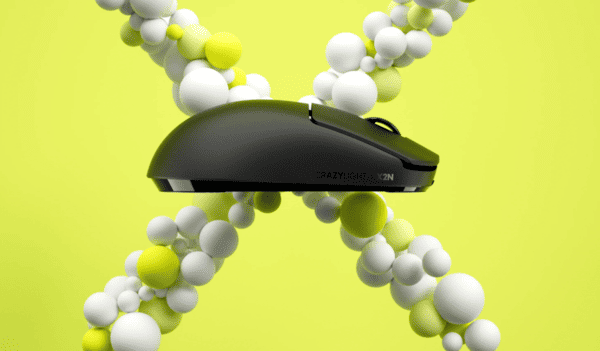
The X2N's defining feature is its narrow waist (significantly pinched compared to the ~62–63 mm waist on standard X2 models). Dimensions roughly place the Mini at ~118–120 mm length, ~58–60 mm front width, ~40 mm height, while the Medium stretches to ~124 mm length, ~65 mm waist area, and similar height
The low, gentle hump provides moderate rear support without forcing palm contact, making it excel for claw and relaxed claw grips (especially 17.5–20 cm hands). Palm users with larger hands frequently find it too short or lacking in rear fill, while aggressive fingertip grippers note the taper can cause slippage during flicks unless fingers clamp tightly
Coating
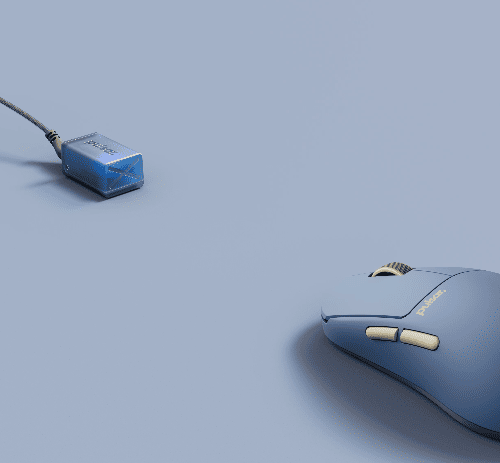
Pulsar's CrazyLight coating remains one of the best in the ultralight space: slightly rubberized, dry, and grippy even during extended sweaty sessions
It outperforms slicker matte finishes from some competitors and holds up well in warm gaming environments without turning greasy
Mouse Feet
Stock PTFE skates (often full-coverage or large dots depending on batch) deliver excellent glide—fast initial movement with controlled stopping power
They feel premium out of the box on most cloth pads; only hardcore speed pad users might consider aftermarket replacements for even lower friction
Buttons and Scroll Wheel
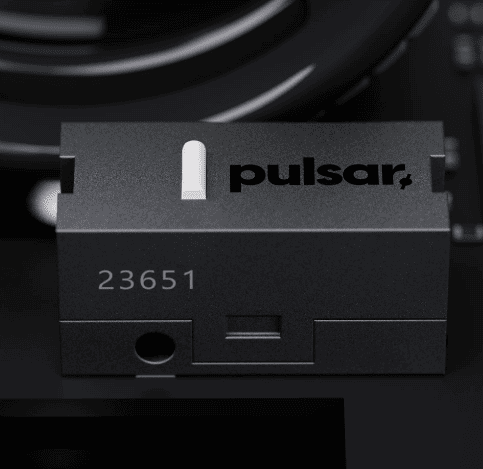
The main clicks use Pulsar's custom optical switches, delivering crisp, consistent feedback with virtually zero double-click risk and low pre-travel. The sound is sharp and satisfying without being overly loud—better than many mechanical implementations in this weight class
Side buttons sit higher and more forward than on classic X2 models, sparking mixed feedback. For some claw grippers, the position feels natural for quick thumb access; others find them awkward or prone to accidental presses, especially on the Mini. The scroll wheel offers tactile steps, moderate resistance, and no noticeable wobble or rattle—solid for an ultralight
Build Quality
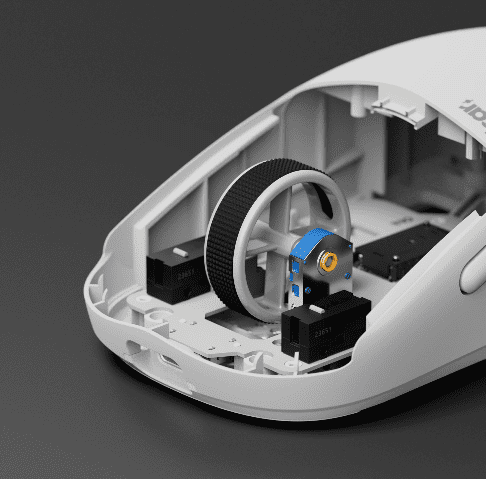
Despite the sub-50g target, the X2N CrazyLight maintains impressive structural integrity. No major creaking, flexing, or shell wobble during aggressive movements
The plastic feels rigid yet lightweight, with tight tolerances around the buttons, scroll encoder, and USB-C charging port. Minor gripes include occasional reports of very faint battery cover rattle on early units, but overall assembly quality ranks among the best in the 40–46g tier—surpassing some competitors that sacrifice rigidity for sub-40g weights

Sensor and Everyday Performance
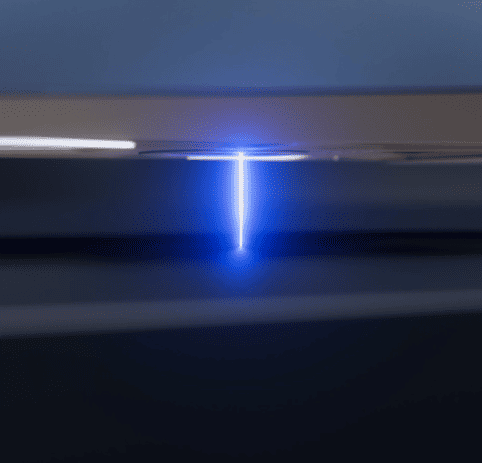
Pulsar's proprietary XS-1 sensor (32,000 DPI, 750 IPS, 50G acceleration) performs flawlessly in testing. Tracking is precise and consistent, with excellent spin-out resistance and zero noticeable smoothing or angle snapping at competitive settings
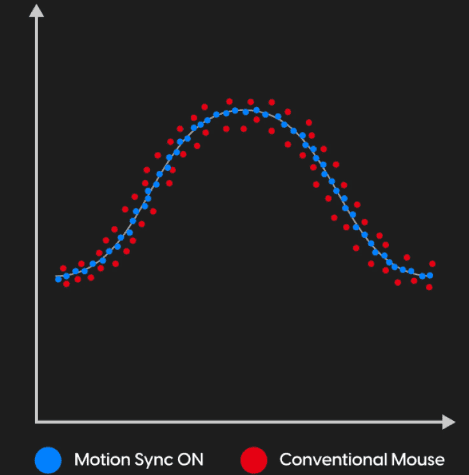
Native 8K polling delivers buttery-smooth cursor movement in fast-paced titles like Valorant, CS2, and Apex Legends—latency feels on par with top-tier implementations
Wireless mode holds up well at 8K (with a strong dongle connection), though some users note slightly higher power draw compared to 1K/4K competitors. Battery life remains a compromise typical of CrazyLight models—expect 30–50 hours at 8K depending on usage, often requiring more frequent charging than heavier flagships
Everyday tasks (browsing, productivity, multi-monitor dragging) feel snappy and accurate, with no jitter or disconnects
Keep Your Performance at Its Best with Driver Sentry
To get the most out of your Pulsar X2N CrazyLight, ensuring that your system drivers are up-to-date is key, especially when you're relying on ultra-precise performance. Outdated drivers can lead to issues like input lag or device miscommunication, so it's important to keep everything running smoothly.
How to Use Driver Sentry:
Download Driver Sentry: Visit the Driver Sentry website and download the software
Run a System Scan: Open the app and let it quickly scan your system for outdated drivers
Update Drivers: Select the drivers you want to update, including the ones for your Pulsar X2N CrazyLight, and hit Update
Restart Your PC: After the updates are finished, restart your computer to apply the changes

Alternative
Lamzu Maya / Thorn / OP1 series — Similar narrow-waist philosophy; OP1 often feels closest in shape but usually heavier and with different sensor/coating trade-offs
ATK Duckbill / F1 series — Direct competitors in the sub-45g narrow category; Duckbill shares a similar aggressive taper but often costs less
Pulsar X2V2 CrazyLight / X2H CrazyLight — If narrow isn't your preference, these offer the classic X2 shape with comparable internals at slightly higher weights
Finalmouse / Razer Viper Mini Signature — Ultra-premium ultralights; usually more expensive with diminishing returns for most users.
The X2N stands out for those specifically wanting Pulsar's ecosystem (software, coating, switches) in a narrower package
Conclusion
The Pulsar X2N CrazyLight succeeds brilliantly at what it sets out to do: deliver an ultralight, high-performance mouse with a bold narrow-waist shape that differentiates it from the broader X2 family. The XS-1 sensor, optical switches, excellent coating, and smooth 8K performance make it a serious contender for competitive FPS players who prioritize claw/relaxed claw control and minimal hand fatigue.