


In 2026, AI technology has evolved far beyond simple conversational tools. While chatbots remain popular for quick answers and creative interactions, AI agents are redefining productivity by autonomously executing complex tasks, integrating with multiple apps, and maintaining long-term memory. Understanding the difference between these two types of AI is essential for anyone looking to maximize efficiency and take full advantage of modern AI capabilities. This guide explores the key differences, practical applications, and when to use chatbots vs AI agents to achieve the best results in real-world workflows.
What Is a Chatbot?
A chatbot is an AI-powered conversational interface designed to understand natural language and provide helpful responses. Popular examples include basic versions of ChatGPT, Gemini, customer support bots on websites, and virtual assistants like Siri or Alexa in their simpler modes
Chatbots are highly effective at quick information retrieval, explaining concepts, generating creative content, translating languages, and handling basic customer inquiries. They create engaging, human-like conversations and respond instantly to user prompts
However, their limitations are clear: they are primarily reactive. Once the conversation ends, they usually forget the context, and they cannot take meaningful actions outside the chat window
What Is an AI Agent?
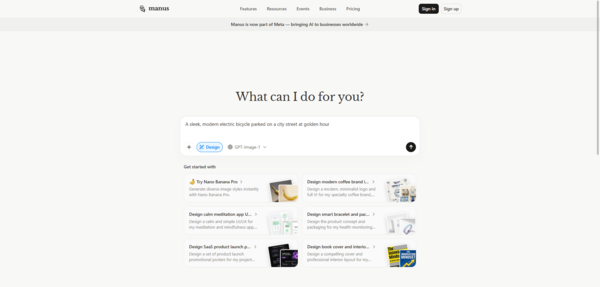
An AI Agent is an intelligent, goal-driven system that goes far beyond conversation. Agents can understand high-level objectives, create step-by-step plans, use external tools and APIs, interact with other software, access files, send messages, update databases, and execute complex workflows — often with minimal ongoing human input
Modern AI Agents maintain persistent memory, learn from previous interactions, adapt their approach based on outcomes, and continue working even when you are offline. They function more like digital employees than simple question-answering machines
OpenClaw: Full AI Power, Fully Local
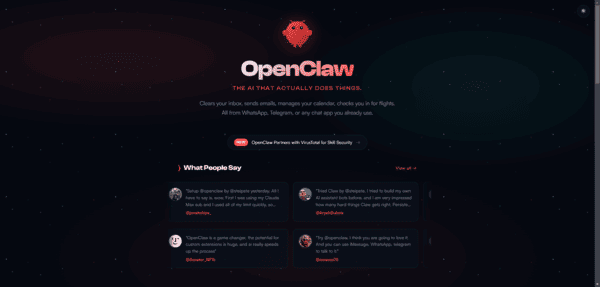
OpenClaw isn't just another chatbot—it's a local AI agent that keeps everything on your machine. Unlike cloud-based solutions, your data, conversations, and API keys never leave your device, giving you total control and maximum privacy
Yes, you handle setup and the agent only runs when your computer is on—but for anyone who values security over convenience, this tradeoff is a win. OpenClawTool lets you enjoy the full power of OpenClaw while keeping it completely private and under your control
Key Differences Between AI Agents and Chatbots
Goal Orientation and Autonomy
Chatbots wait for your input and respond accordingly
AI Agents are proactive: you assign a goal (e.g., "Prepare a weekly sales report"), and they figure out the necessary steps, gather data, analyze it, and deliver the final result with little supervision
Tool Usage and Real-World Action
A chatbot can only generate text within the chat interface
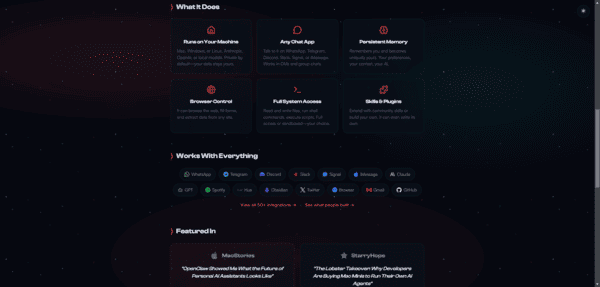
An AI Agent can actively use tools — browsing the web, reading your emails, creating calendar events, updating project boards in Linear or Jira, sending Slack messages, or even placing orders — to accomplish tangible outcomes
Memory and Long-Term Continuity
Chatbots typically have short-term memory limited to the current conversation
AI Agents maintain rich, persistent memory across days or weeks, remembering your preferences, past projects, and important context, which makes them increasingly effective over time
Task Complexity
Chatbots perform best with simple, one-off requests such as "Summarize this article" or "Write a polite email"
AI Agents excel at complex, multi-step processes that may involve research, analysis, coordination, and execution over extended periods
Integration with Other Systems
Chatbots usually operate in isolation
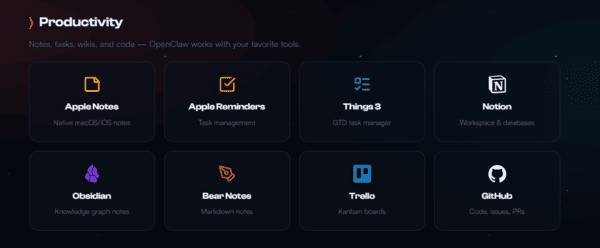
AI Agents integrate deeply with your existing tools and platforms — email, calendars, project management software, messaging apps, code repositories, and more — creating seamless automation across your digital workspace
When to Use Each Tool
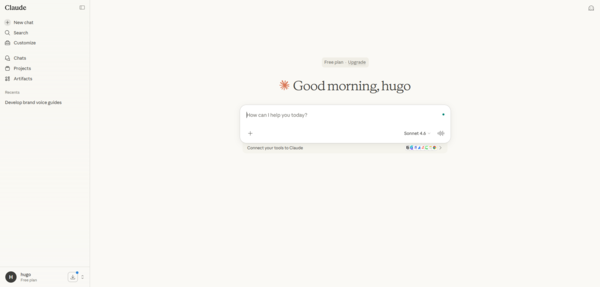
Use a Chatbot when you need
Fast answers and explanations
Creative writing or brainstorming sessions
Language translation or content generation
Casual conversation or quick research
Use an AI Agent when you need
Automation of repetitive or time-consuming tasks
Multi-step workflow execution
Long-term assistance that improves with use
Integration across multiple apps and systems
Final Thoughts
The most effective approach is not choosing one over the other, but using both strategically: chatbots for quick interactions and AI Agents for meaningful automation and productivity gains. As AI technology continues to evolve, the line between chatbots and agents may blur slightly, but the fundamental distinction between "talking with AI" and "working with AI" will remain one of the most important concepts for users and businesses to understand.