





In 2026, OpenClaw agents are no longer just chatbots—they are intelligent assistants that can handle real tasks, from organizing daily work to supporting research and customer service. Their ability to follow multi-step workflows, access tools, and interact with files makes them invaluable for anyone looking to boost productivity and simplify routine tasks.
What Are OpenClaw Agents and Why Are They Popular?
OpenClaw agents are intelligent AI assistants designed to accomplish meaningful work, not just answer questions. While traditional chatbots respond to prompts, OpenClaw agents can follow multi-step processes, use tools, access files, and interact with other systems to complete tasks
People are increasingly interested in OpenClaw agents because they deliver practical value across many areas, including research, customer support, content creation, and daily organization. As businesses and individuals look for AI tools that actually get things done, OpenClaw agents stand out for their flexibility and task-oriented capabilities
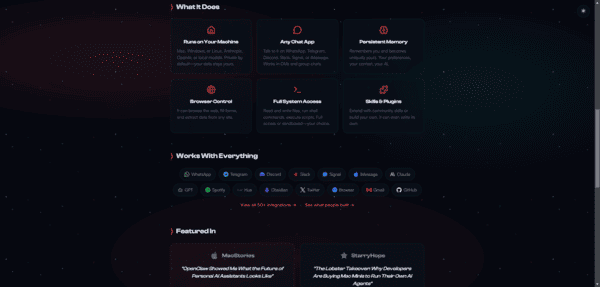
OpenClaw Agents by Common Use Cases
Productivity and Daily Planning Agents
These agents help with everyday organization by creating summaries, tracking tasks, and providing quick updates
They are often the easiest starting point because the goals are straightforward and the benefits are immediately visible
Many teams begin here when exploring OpenClaw for the first time
Customer Support Agents
Customer support agents handle common questions, route incoming requests, and generate standard replies
They are particularly valuable for teams dealing with repetitive inquiries, allowing human staff to focus on more complex issues
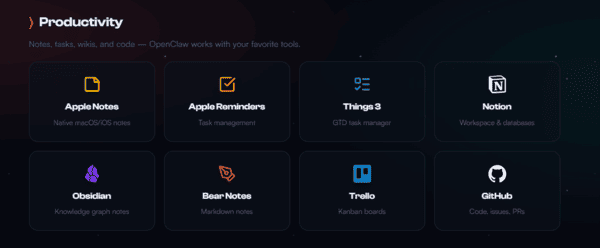
Research and Search Agents
Research agents gather information from various sources, summarize key findings, and track updates on specific topics
They save significant time for anyone who needs fast, reliable insights without manual searching
Knowledge and Documentation Agents
These agents organize internal knowledge, help locate important documents, and support documentation efforts
They shine in environments where information is scattered across files, tools, and team members
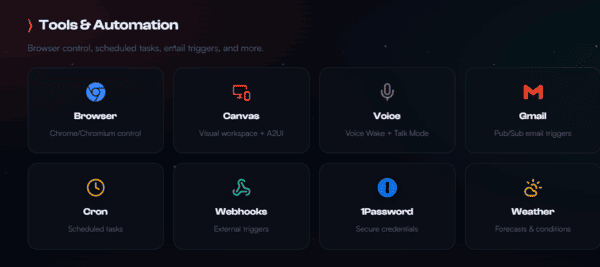
Content and Marketing Agents
Content agents assist with drafting posts, repurposing existing material, and monitoring trends
Marketing teams use them to streamline planning, creation, and simple publishing workflows
Sales and Outreach Agents
Sales-focused agents manage lead information, prepare follow-up messages, and support contact organization
They reduce repetitive manual work and help maintain consistent outreach
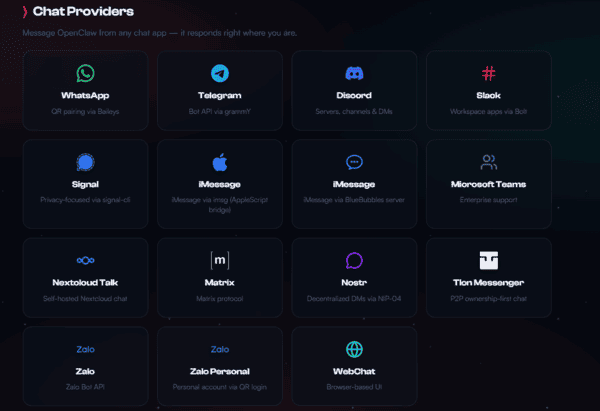
Coding and Technical Workflow Agents
Technical agents support code-related tasks such as documentation, review assistance, and monitoring
They become more effective when connected to relevant tools and data sources
Communication and Email Agents
These agents sort incoming messages, draft responses, and summarize conversations
They are especially helpful for teams managing high volumes of email or internal communications
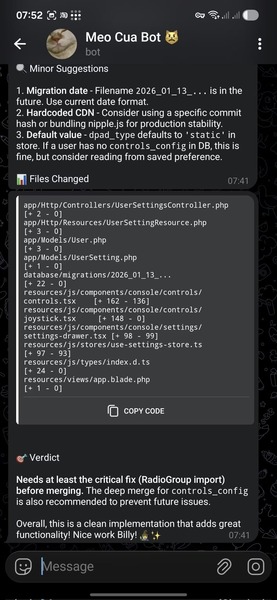
Tips for OpenClaw Agent Setup
Focus on One Clear Task — Start with something simple like a daily summary agent, FAQ responder, or research helper. A focused agent is easier to test, refine, and trust
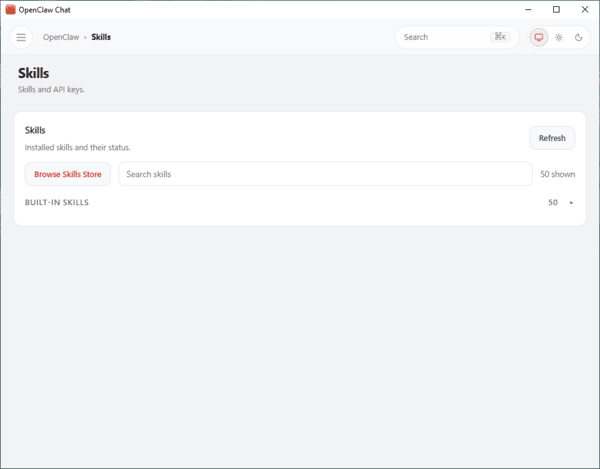
Evaluate the Underlying Skills — The agent's name may sound impressive, but real performance depends on the tools, data access, and integrations it uses
Match the Agent to Its Environment — Consider whether the agent will serve internal teams, customer-facing roles, or specific departments, and configure it accordingly
Begin with Limited Access — Start in a controlled test environment with minimal permissions. This approach helps you understand behavior safely before expanding capabilities
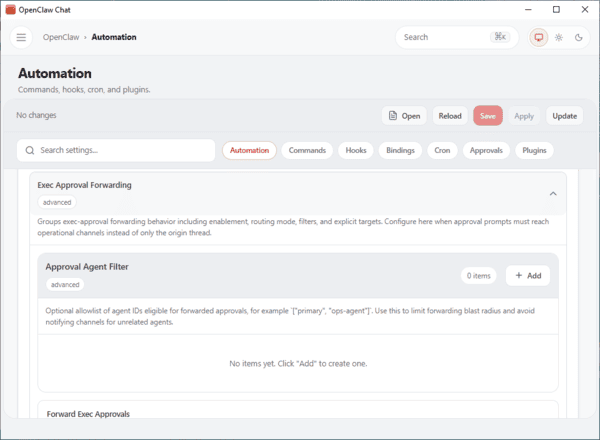
Setup with OpenClawTool
For most users, the biggest challenge is not designing the agent but getting it running reliably
OpenClawTool handles the technical infrastructure, allowing you to focus on using agents for tasks like daily assistance, email handling, research, and automation
Final Thoughts
OpenClaw agents stand out because they turn AI into a practical helper for real tasks and workflows. The best approach is usually to begin with one focused agent for a specific job, then gradually add skills and integrations as needed. With the right setup, OpenClaw agents can become valuable members of your team — handling routine work so you can focus on higher-value activities.