




AI agents in 2026 are more powerful than ever, automating tasks, accessing sensitive data, and interacting with systems on your behalf. But with that power comes risk: prompt injections, data leaks, and tool misuse can all compromise security. This guide breaks down the top threats and offers practical strategies — from least-privilege access to human review and session isolation — so you can safely leverage AI agents without putting your systems or data at risk.
What AI Agent Security Really Means
AI agent security involves protecting systems where autonomous agents can interact with tools, data, and external services on your behalf. Unlike traditional applications, agents interpret instructions dynamically and may treat untrusted inputs as commands, which creates new vulnerabilities
The risks grow because agents don't just process information — they actively read files, send messages, modify data, and trigger actions across connected systems. This makes securing them more complex than protecting standard software
Teams that give agents access to internal documents, customer data, codebases, or business tools face the highest exposure
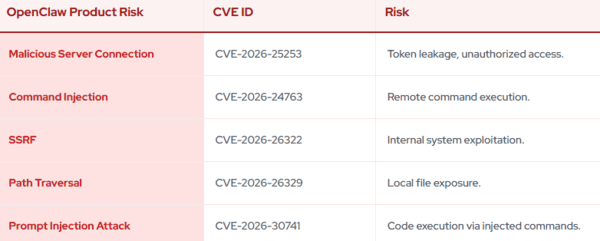
Prompt Injection and Goal Hijacking
Malicious or cleverly crafted inputs can trick the agent into ignoring its original task, revealing sensitive information, or performing unwanted actions.
Tool Misuse and Overly Broad Permissions
When agents have excessive access to email, cloud storage, messaging apps, or payment systems, small mistakes can lead to serious breaches
Many security issues stem from granting too many permissions during initial setup
Sensitive Data Leakage
Conversation history, memory files, and logs can unintentionally expose private information if not properly isolated or cleaned between sessions
Supply Chain and Tool Risks
Third-party tools, plugins, or connectors may contain vulnerabilities or malicious behavior, introducing hidden risks into your agent's workflow
Hallucinated or Unsafe Actions
The agent might misinterpret requests and confidently take incorrect or dangerous actions, especially when automating complex processes
Essential Best Practices for Securing AI Agents
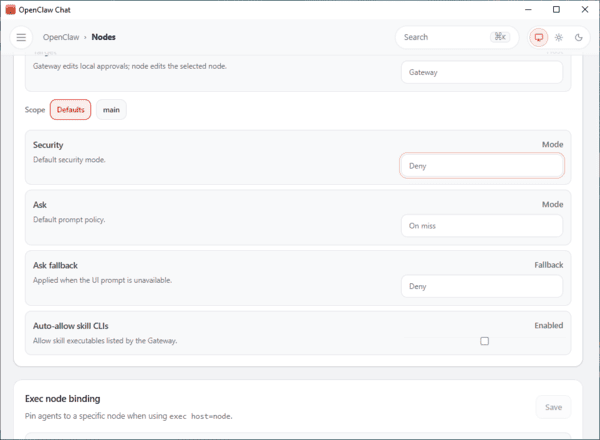
Apply Least Privilege
Give the agent only the minimum access it needs to complete its tasks
Use narrow permissions, read-only tokens when possible, and avoid sharing broad secrets
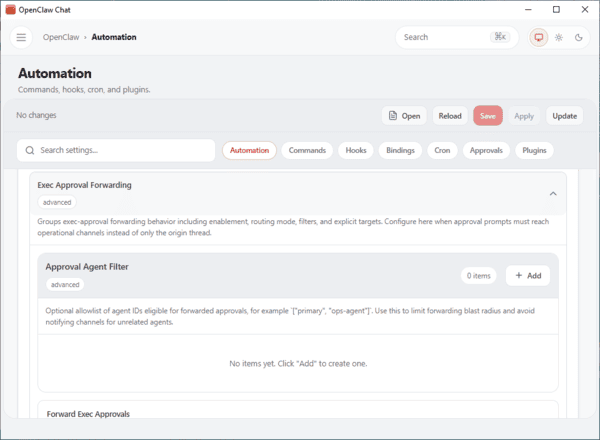
Require Human Approval for High-Risk Actions
Always include human review for sensitive operations such as sending emails, making payments, modifying important files, or sharing data
Isolate Sessions and Memory
Keep different tasks or users in separate sessions
Use sandboxes where possible and ensure memory or context does not leak between unrelated workflows
Implement Monitoring and Audit Trails
Track what the agent sees, attempts, and executes
Maintain clear logs and include emergency kill switches to stop suspicious behavior quickly
Regularly Red-Team Your Agents
Test agents with adversarial prompts, fake malicious documents, and edge cases to discover weaknesses before real attacks occur
Practical Steps to Secure Your AI Agent
Map All Access Points — List every file, tool, token, and system the agent can reach
Separate Trusted and Untrusted Content — Treat external inputs as potentially dangerous and keep core instructions isolated
Restrict External Calls and Secrets — Remove unnecessary tools and limit what the agent can access externally
Add Review Gates — Require approval before any high-impact action
Re-test After Changes — Verify security whenever you add new tools, models, or workflows
Security by Deployment Model
Self-Hosted Agents
You gain full control but also bear full responsibility for patching, monitoring, isolation, and incident response
Managed Cloud Environments
These reduce many operational security gaps through professional management, automatic updates, and built-in safeguards
While these managed cloud options sound appealing, they come with a significant downside: your data, conversations, memories, and API keys are processed and stored on third-party servers — raising serious privacy concerns even when encryption and isolated containers are used
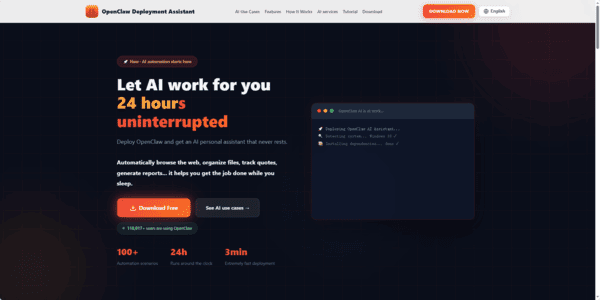
OpenClawTool takes a completely different approach. It is designed for local deployment, allowing you to run OpenClaw directly on your own computer (Windows or macOS, ). All your data stays fully under your control — nothing is uploaded to the cloud
Final Thoughts
AI agent security in 2026 is not optional — it requires deliberate design and ongoing vigilance. By applying least privilege, maintaining human oversight, isolating components, and monitoring activity, you can safely harness the power of agents while minimizing risks.