




Optimize your Dell OptiPlex 3020 performance with this driver download guide, covering chipset, audio, network, and graphics drivers. Learn safe methods using Dell Support, SupportAssist, and automated tools to keep your system updated and stable.
Types of Drivers for the Dell Optiplex 3020
Chipset Drivers: These are essential for the proper communication between the motherboard and other system components
Audio Drivers: Ensure that the sound system works correctly, providing high-quality audio output
Network Drivers: Necessary for ensuring a stable internet connection, whether via Ethernet or Wi-Fi
Graphics Drivers: These manage the connection between your system and the graphics card, impacting visual performance and gaming
Peripheral Drivers: Used for connecting external devices like printers, keyboards, and USB peripherals
Method 1: Manual Download from Dell Website
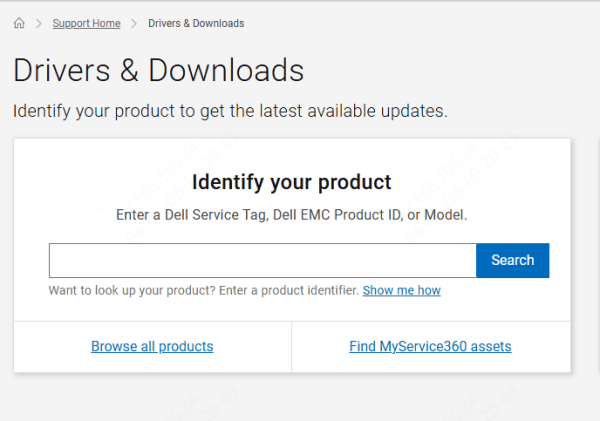
Go to the Dell Support Website
Enter the Service Tag for your Dell Optiplex 3020 or select your system model
Find the Drivers
Select your operating system from the dropdown menu
Browse through the list of drivers available for your system
Download the Drivers
Download the driver you need (such as the video or network driver)
Install the Driver
Once downloaded, open the installer and follow the instructions to install the driver
Restart Your System
After installation, restart your system to apply the changes
Method 2: Using Dell SupportAssist
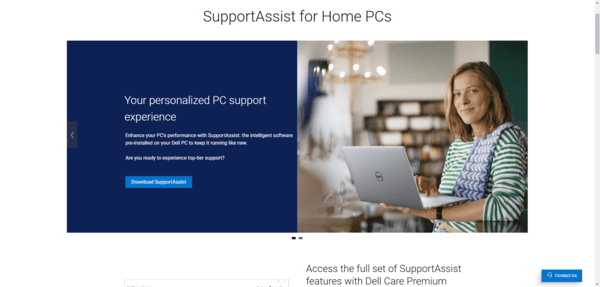
Install Dell SupportAssist
Download and install SupportAssist from Dell's website
Scan for Drivers
Open the software and run a scan. It will automatically detect outdated drivers on your system
Install Updates
Click on Install to update the drivers suggested by SupportAssist
Restart Your System
Restart your system to complete the installation process
Method 3: Automated Update Using Driver Sentry
For even easier and faster updates, use Driver Sentry, which automates the entire driver update process.
Download Driver Sentry
Download Driver Sentry from the official website
Run Driver Sentry
Open the program after installation
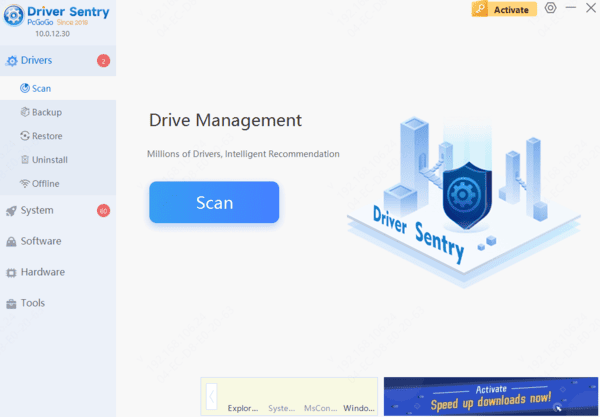
Scan for Outdated Drivers
Go to the Drivers tab and click Scan to detect all outdated or missing drivers
Update Drivers
After scanning, select the drivers you want to update (audio, video, network drivers) and click Repair Now to install the latest compatible versions
Restart Your System
Restart your system to apply the updated drivers
Troubleshooting Driver Issues
Even with updated drivers, you may encounter issues. Here are a few troubleshooting tips:
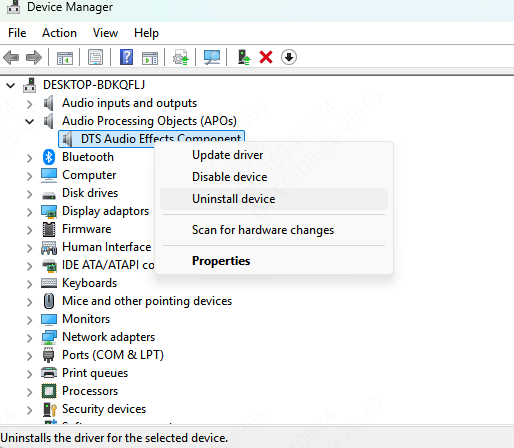
Driver Conflicts: If after updating drivers, your system starts to act erratically, you may have conflicting drivers. In such cases, use Device Manager to roll back drivers or uninstall and reinstall the drivers
Driver Not Installing: If a driver doesn't install correctly, try downloading it again from the official Dell website or use Driver Sentry to ensure the driver is compatible with your system
Keep Your Drivers Updated Regularly
It's essential to keep your drivers updated for optimal performance. To ensure regular updates:
Enable Automatic Updates: You can enable automatic updates through Windows Update or use Driver Sentry to schedule automatic scans for driver updates
Check for Updates Monthly: Set a reminder to check for updates at least once a month to ensure that all drivers are up to date
Conclusion
Regularly updating your drivers is an essential part of maintaining your Dell Optiplex 3020's performance and stability. Whether you choose to manually download drivers from the Dell website, use SupportAssist for automated scans, or use Driver Sentry, keeping your system updated ensures that your hardware and software work seamlessly together. By staying on top of driver updates, you can avoid compatibility issues, improve system performance, and keep your system running at its best!