


Game crashes can quickly ruin an otherwise enjoyable gaming experience. Whether a game closes immediately after launching, freezes during loading, or unexpectedly returns to the desktop, these interruptions make it difficult to enjoy uninterrupted gameplay.
If you are experiencing Final Fantasy Resonance crashing on your Windows PC, several possible issues may be responsible. Outdated graphics drivers, corrupted game files, insufficient system resources, and software conflicts can all contribute to unexpected crashes. This guide explains how to investigate Final Fantasy Resonance crashes and improve system stability on Windows 10 and Windows 11.
Fix 1: Check System Requirements and Restart Your PC
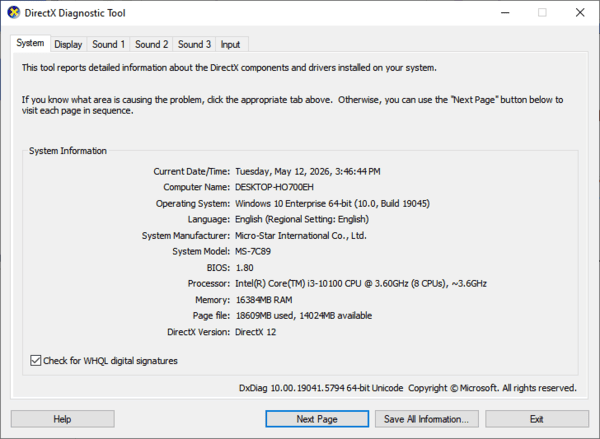
Press Windows + R.
Type dxdiag and press Enter.
Review the processor, memory, and DirectX information.
Open the Display tab to identify your graphics hardware.
Compare the specifications with the game's published requirements.
Next, restart your computer.
Fix 2: Verify or Repair Game Files
Open Steam.
Go to Library.
Right-click the installed game.
Select Properties.
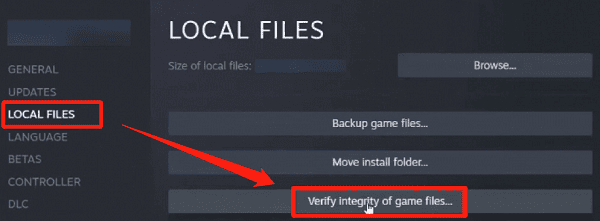
Open Installed Files.
Click Verify integrity of game files.
Wait for verification to finish.
Fix 3: Update Graphics Drivers
Graphics drivers allow Windows and games to communicate with your graphics card.
An outdated or incompatible driver may cause rendering errors, screen freezing, unexpected desktop exits, or crashes during demanding scenes.
If Final Fantasy Resonance keeps crashing, checking the graphics driver is a reasonable troubleshooting step.
Option A: Update Graphics Drivers with Driver Sentry
Driver Sentry provides an additional way to identify supported outdated, missing, or problematic device drivers.
To check your graphics drivers:
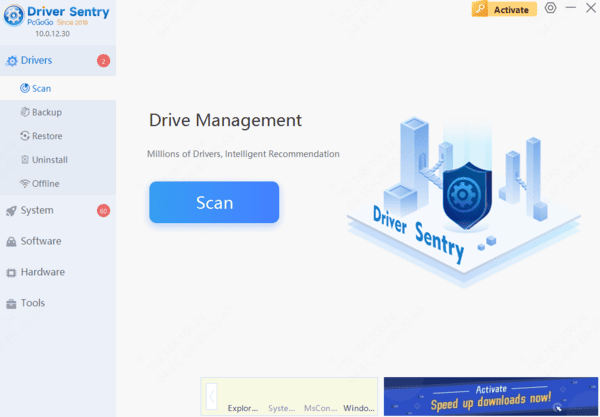
Download Driver Sentry.
Install and launch the program.
Click Scan to check your computer.
Review the detected graphics driver issues.
Install an appropriate compatible driver update if available.
Restart Windows.
After restarting, launch the game and check whether the crashing problem continues.
Driver Sentry may help investigate supported driver-related issues, but it cannot resolve every game crash.
Option B: Update Graphics Drivers Manually
Right-click the Start button.
Select Device Manager.
Expand Display adapters.
Identify your graphics card.
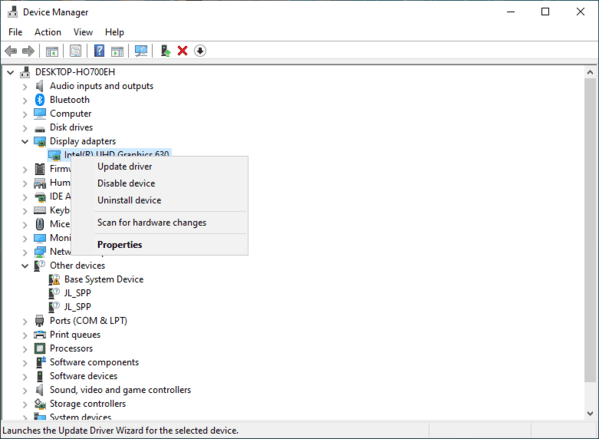
Visit the official NVIDIA, AMD, or Intel website.

Download the compatible driver.
Install it and restart Windows.
Fix 4: Lower Graphics Settings
Lower shadow quality.
Reduce reflections and visual effects.
Disable unnecessary post-processing effects.
Lower resolution or rendering scale.
Set a stable frame rate limit.
Reduce texture quality if video memory is limited.
Fix 5: Disable Overlays and Background Applications
Open Steam.
Go to Library.
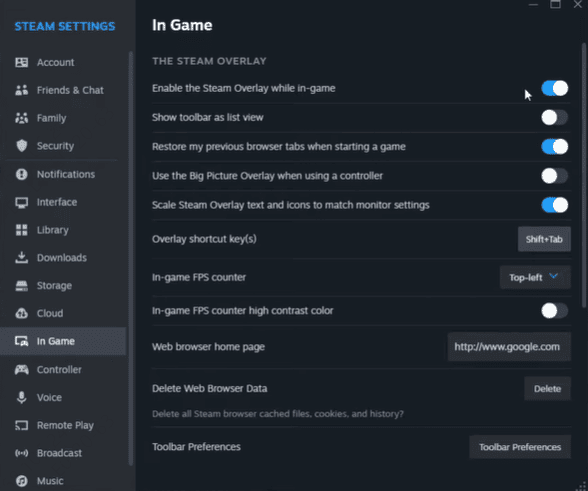
Right-click the game and select Properties.
Open General.
Disable Enable the Steam Overlay while in-game.
Relaunch the game.
Fix 6: Update Windows and Repair System Files
Press Windows + I.
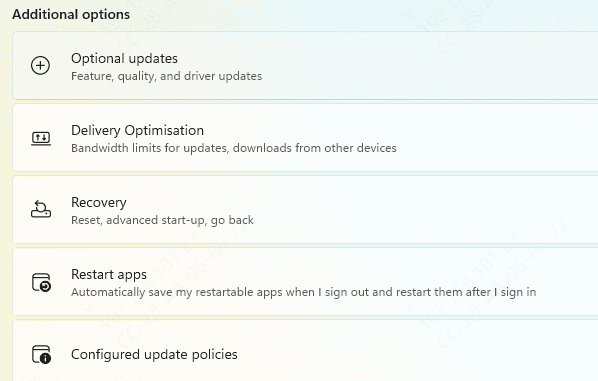
Open Windows Update.
Click Check for updates
Install applicable updates.
Restart your computer.
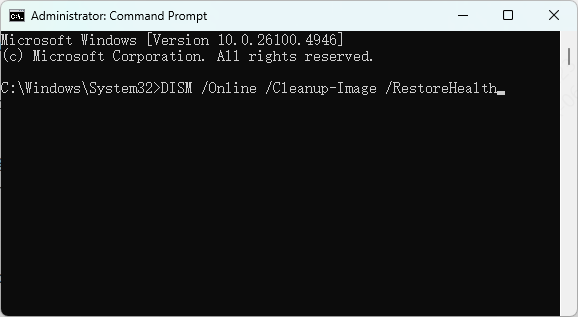
Open Command Prompt as an administrator and run:
DISM /Online /Cleanup-Image /RestoreHealth
Wait for the process to finish.
Then enter:
sfc /scannow
Fix 7: Check RAM, Storage, and Virtual Memory
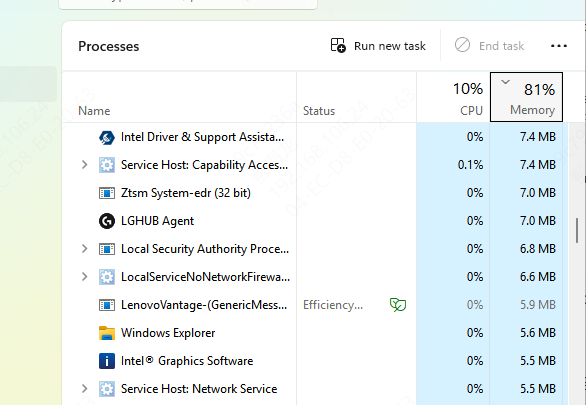
Press Ctrl + Shift + Esc to open Task Manager.
Select the Performance tab.
Check memory usage.
Review CPU and disk activity.
Close unnecessary applications consuming significant resources.
Fix 8: Reinstall the Game
Close the game and its launcher.
Back up important local files.
Uninstall the game through its supported installation platform.
Restart Windows.
Download the game again from an official source.
Conclusion
If Final Fantasy Resonance keeps crashing on Windows, check the system requirements, verify the game files, and review your graphics drivers. Driver Sentry can help check for driver issues on supported hardware. If crashes persist, close unnecessary background apps, check memory usage, and look for crash details in Windows Reliability Monitor.