




The file autopilot.dll is part of various Windows system components responsible for automation, device provisioning, and system configuration tasks. When this file becomes corrupted or when Windows Imaging Library (WIL) encounters an error, you may see the message: "AUTOPILOT.DLL WIL error was reported." This issue can appear while booting Windows, running applications, or installing system updates. Although it may look serious, the problem can usually be fixed with several reliable methods.
Common Causes of AUTOPILOT.DLL WIL Error
This error can occur due to:
Corrupted or missing autopilot.dll
Damaged WIL (Windows Imaging Library) components
System file corruption
Failed or incomplete Windows updates
Registry issues
Malware infections affecting system DLLs
Conflicts with installed applications or services
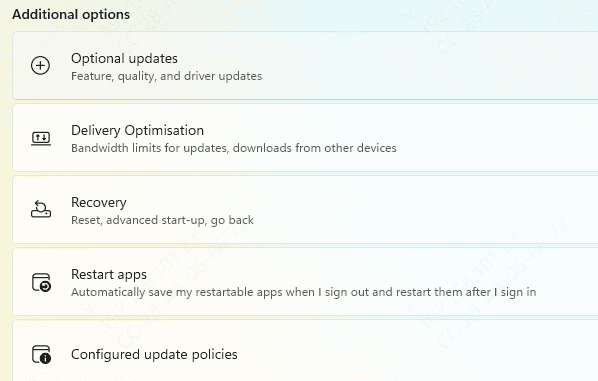
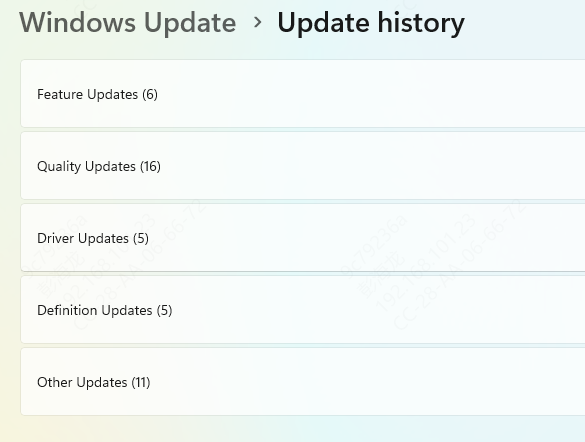
Method 1: Update Windows
Windows updates often repair missing or broken system components, including autopilot.dll and WIL libraries.
Open Settings
Go to Update & Security → Windows Update
Click Check for updates
Install all available updates
Restart your computer
If outdated system files caused the error, this may fix it immediately.
Method 2: Run System File Checker (SFC)
The SFC tool scans your system and automatically replaces corrupted or missing system files.
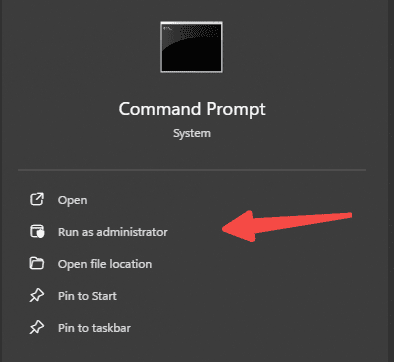
Press Windows + S and search for cmd
Right-click Command Prompt → Run as administrator
Type the command:
sfc /scannow
Wait for the scan to finish
Restart your PC
If autopilot.dll was corrupted, SFC may restore it.
Method 3: Repair the Windows Image with DISM
If SFC cannot fix the issue, use DISM to repair deeper system corruption.
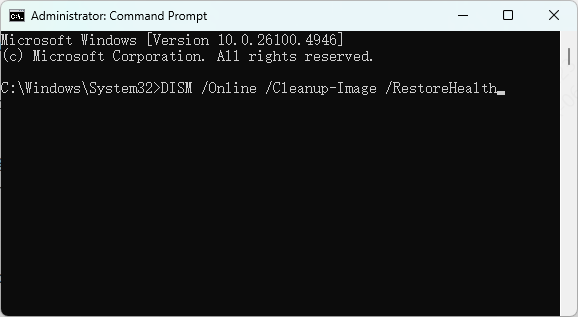
Open Command Prompt as Administrator
Enter the following commands one by one:
DISM /Online /Cleanup-Image /CheckHealth
DISM /Online /Cleanup-Image /ScanHealth
DISM /Online /Cleanup-Image /RestoreHealth
Restart your PC afterward
DISM is particularly effective when WIL (Windows Imaging Library) components are damaged.
Method 4: Use an Automatic DLL Repair Tool (Recommended)
If you prefer a fast and beginner-friendly solution, using an automated DLL repair utility—such as PcGoGo DLL Fixer—can help detect and fix issues related to autopilot.dll without requiring manual configuration.
Download and Install the Program
Download PcGoGo DLL Fixer
Install the software, then open it once the setup is complete
Run a Full System Scan
Click Scan to allow the tool to check your system for corrupted, missing, or mismatched DLL files, including autopilot.dll
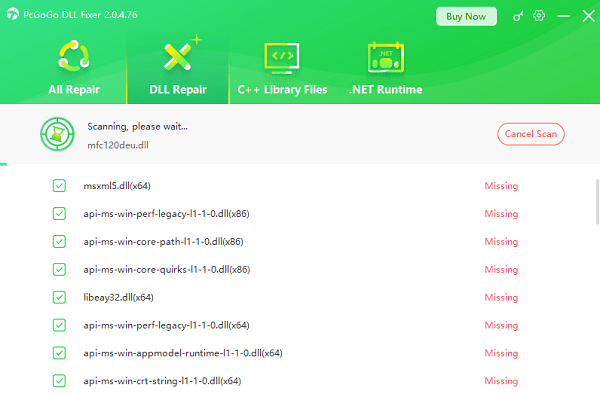
Repair the Detected Issues
After the scan finishes, locate autopilot.dll (or related system errors) in the results and click Repair Now
The tool will automatically restore or replace the correct version of the file
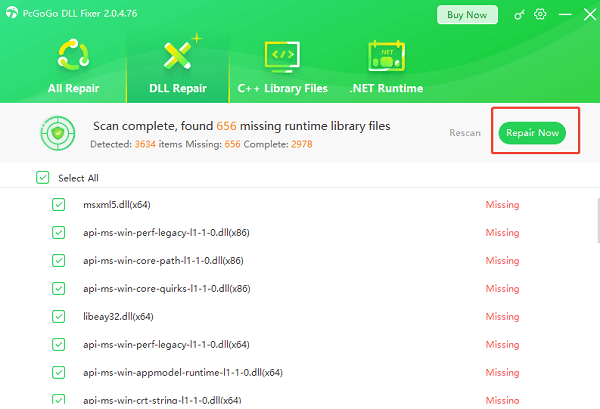
Restart Your PC
Once the repair is complete, restart your computer
After rebooting, launch the affected application or service to verify that the "autopilot.dll wil error was reported" issue is resolved
This automated method is especially helpful when manual fixes fail or when the DLL file is heavily corrupted.
Method 5: Scan for Malware
Some malware variants corrupt or delete system DLLs, including autopilot.dll.
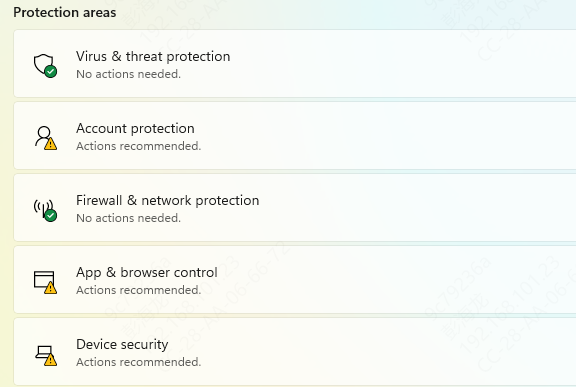
Open Windows Security
Go to Virus & threat protection
Run a Full Scan
Remove detected threats
Restart your PC
Run SFC again to restore damaged dll files
If malware caused the error, this will usually solve it.
Method 6: Perform a System Restore
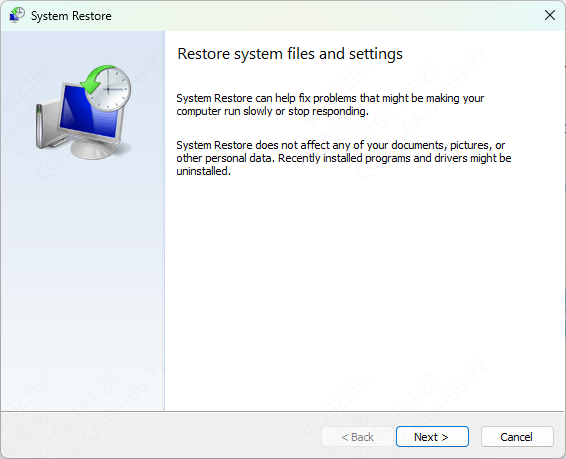
If the error began after a recent update, software installation, or system change, a restore point can roll the system back to a working state.
Press Windows + R, type rstrui, and press Enter
Choose a restore point created before the issue started
Follow the on-screen instructions
Restart your PC
This method is safe and does not affect personal files.
Method 7: Reset Windows Components (Advanced Option)
If none of the above methods work, the issue may be caused by deep system corruption. You can:
Reset Windows Update components
Repair system configuration
Or perform a Windows Reset (keeping personal files)
This should be used only when other solutions fail.
Conclusion
The "AUTOPILOT.DLL WIL error was reported" message usually indicates corruption or loading issues with the autopilot.dll file or related Windows Imaging Library components. Fortunately, this error can be resolved through multiple approaches, including updating Windows, running SFC and DISM scans, using an automated DLL repair tool like PcGoGo DLL Fixer, re-registering the DLL, scanning for malware, or performing a System Restore. For more severe cases, resetting Windows components may be necessary. By following the step-by-step methods outlined above, you can restore the autopilot.dll file, resolve the error, and ensure your system and applications run smoothly.